
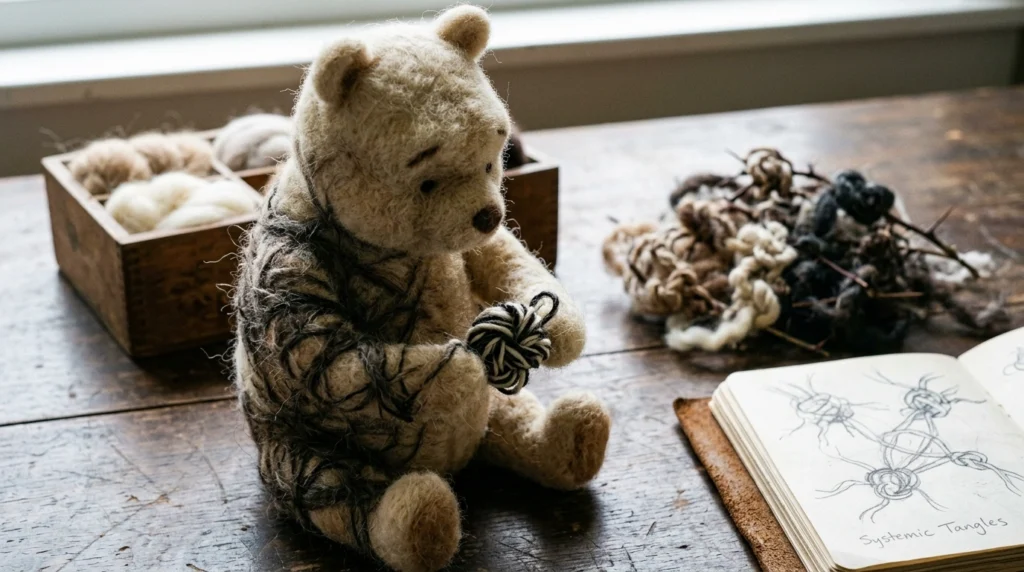
What Does “Wool Pooh Metaphor for Racism” Mean?
The wool pooh metaphor for racism is a symbolic idea used to explain racism in a soft, simple form.
It mixes the idea of something “soft and innocent” (like “Wool Pooh,” often confused with Winnie-the-Pooh style imagery) with a serious topic like racism.
In simple terms:
- It uses a harmless image to explain a harmful social issue
- It helps learners understand racism in an easier emotional way
- It is not a grammar rule, but a literary metaphor
👉 Example:
A soft toy being treated differently in stories can represent unfair treatment of people in real life.
Is “Wool Pooh Metaphor for Racism” Correct Usage?
Yes — but only as a conceptual expression, not grammar.
It is NOT a standard English grammar phrase.
It is:
- A symbolic expression
- A teaching tool in discussions about racism
- Often used in literature or storytelling
👉 Many learners confuse it as a grammar rule, but it is actually a figurative metaphor idea, not a fixed sentence structure.
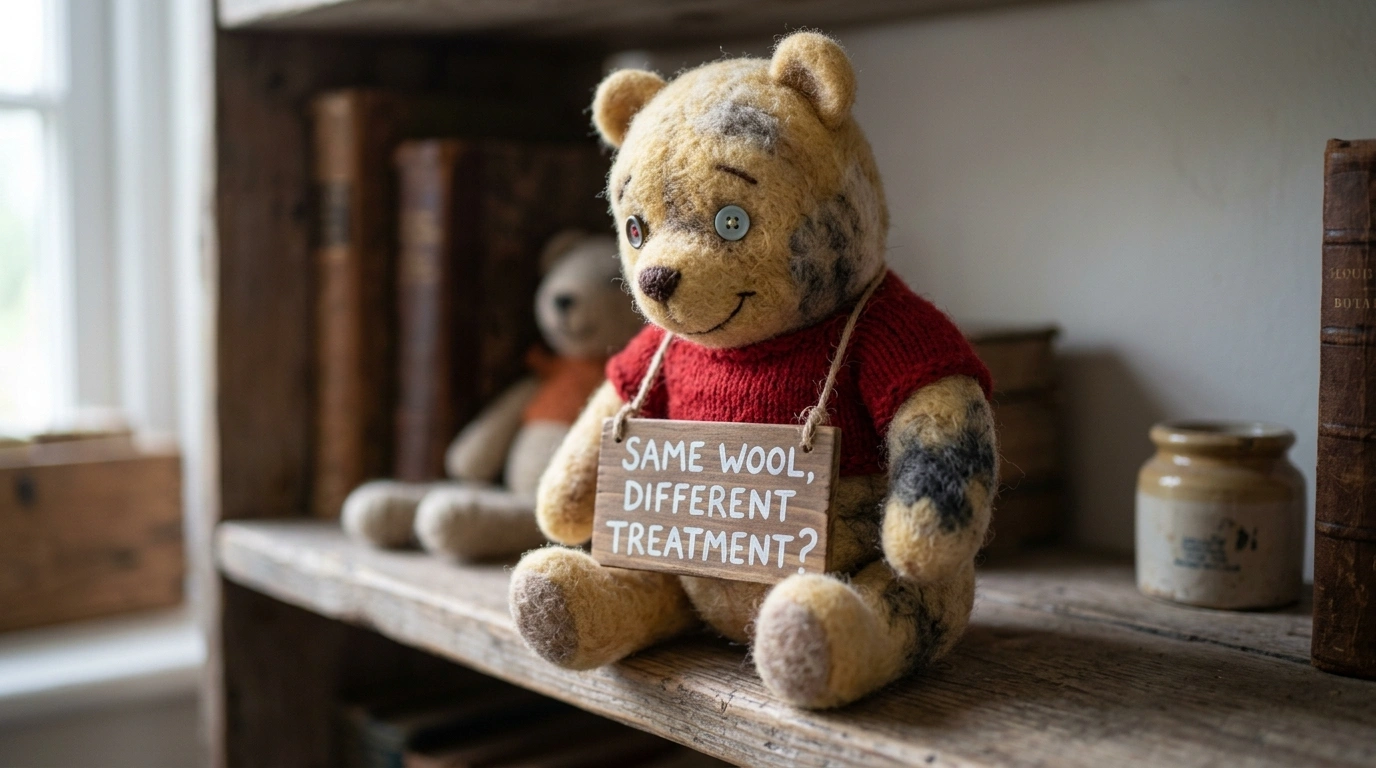
Wool Pooh Metaphor for Racism – Key Differences
| Feature | Wool Pooh | Racism Concept |
|---|---|---|
| Correct usage | Symbolic idea | Real social issue |
| Grammar role | Not a grammar rule | Sociolinguistic topic |
| Example | Soft toy representing fairness | Discrimination based on race |
Real-Life Examples (Very Important)
1. Teacher explains story
Student: “Why is the toy treated differently?”
Teacher: “It shows unfair treatment in society.”
🎯 Lesson: Simple objects can represent deep social issues.
2. Classroom discussion
Student: “Is this just a story?”
Teacher: “No, it is a metaphor for real racism.”
🎯 Lesson: Stories can reflect real life.
3. Book example
Reader: “Why use a soft character?”
Answer: “To make racism easier to understand.”
🎯 Lesson: Metaphors simplify hard topics.
4. ESL learner confusion
Student: “Is Wool Pooh real grammar?”
Teacher: “No, it is symbolic language.”
🎯 Lesson: Not all phrases are grammar rules.
5. Cultural explanation
Friend: “What does it mean?”
Friend 2: “It explains unfair treatment in a simple way.”
🎯 Lesson: Metaphor helps understanding.
When to Use “Wool Pooh Metaphor for Racism” Correctly
Use it when:
- Explaining racism in simple stories
- Teaching beginners or children
- Discussing literature or symbolism
- Making complex ideas easier to understand
Common Mistakes Learners Make
- Thinking it is a grammar rule ❌
- Believing it is a real object ❌
- Confusing spelling or meaning ❌
- Using it in formal writing incorrectly ❌
- Mixing it with scientific terms ❌
👉 These mistakes happen because the phrase sounds like normal English words but actually represents a metaphor concept.
Quick Memory Trick (SEO BOOST SECTION)
Remember this simple rule:
👉 “Soft image = serious meaning”
So in the wool pooh metaphor for racism, a soft or innocent idea is used to explain something serious like unfair treatment.