
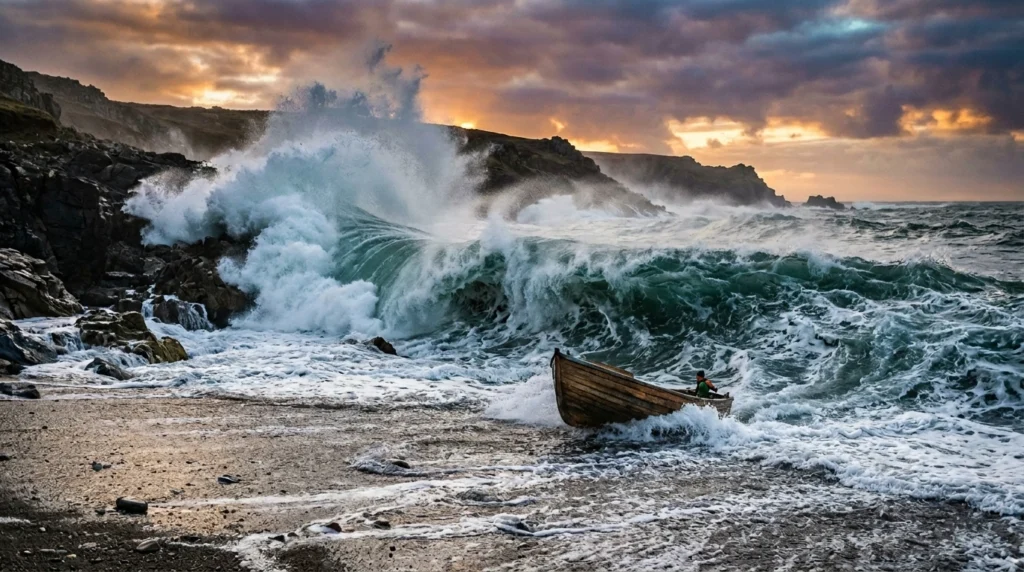
What Is a Metaphor for Wave?
A metaphor for wave is a way of comparing something to a wave without using “like” or “as.” It helps describe movement, flow, or strong feelings.
A wave usually means water moving in the sea, but in language, it can also mean:
- Strong emotions
- Sudden changes
- Large movements of people or energy
Simple explanation
A wave is used as a symbol for anything that comes strongly, rises, and then fades away.
Common Metaphor for Wave Examples
Here are simple and natural examples:
- A wave of fear spread through the room.
- A wave of joy filled her heart.
- A wave of silence fell over the crowd.
- A wave of change is coming to the city.
- A wave of anger moved through the audience.
- A wave of hope gave him strength.
Each example shows how feelings or events move like ocean waves.
Why Do We Use Wave Metaphors?
We use a metaphor for wave because it helps describe things that are hard to explain.
It shows:
- Fast movement
- Strong emotion
- Sudden impact
- Natural rise and fall
Instead of saying “I suddenly felt happy,” we say “a wave of happiness hit me.” It sounds more powerful and expressive.
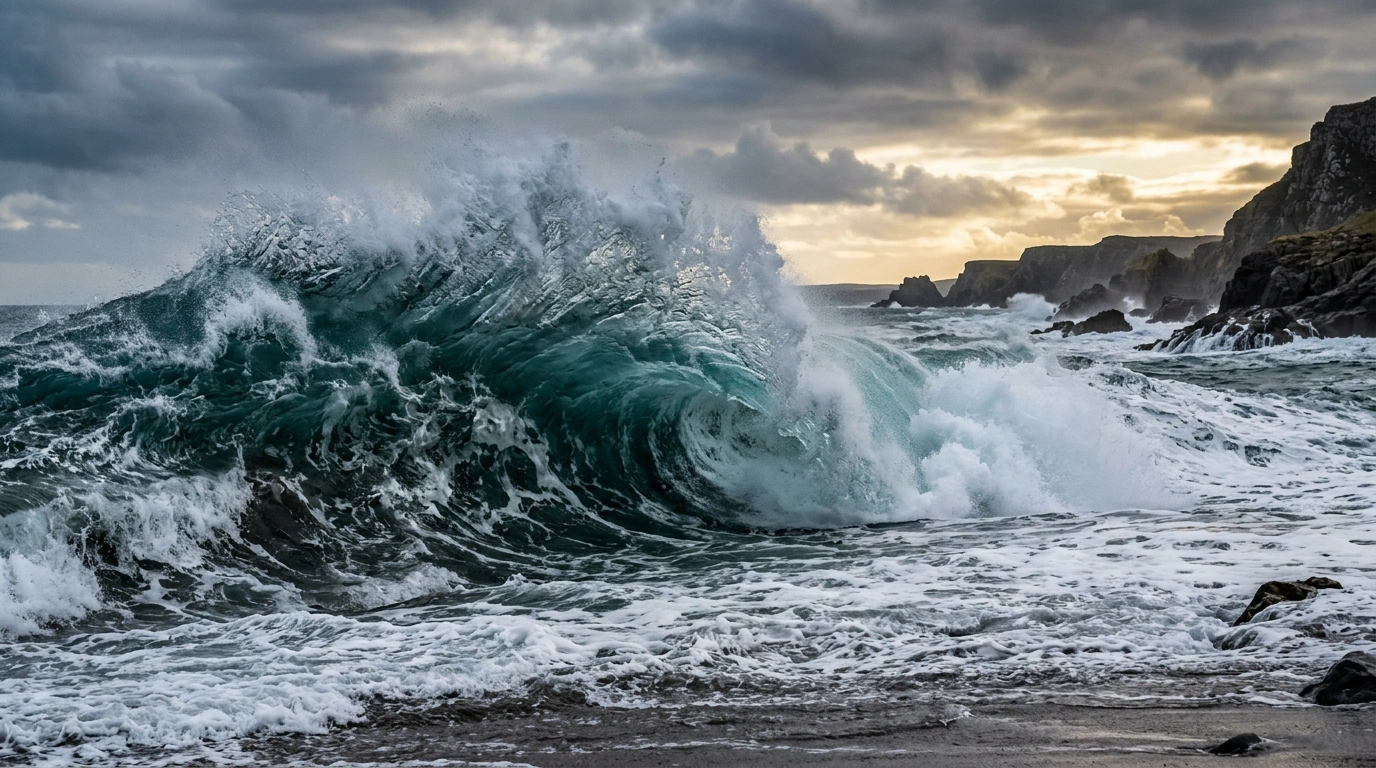
Real-Life Situations Using Wave Metaphors
1. Emotion Example
“I felt a wave of sadness after hearing the news.”
🎯 Lesson: Emotions can rise suddenly like waves.
2. Crowd Example
“A wave of people entered the stadium.”
🎯 Lesson: Large groups move like flowing water.
3. News Example
“A wave of excitement spread after the announcement.”
🎯 Lesson: News can spread quickly like water.
4. Stress Example
“A wave of stress hit him before the exam.”
🎯 Lesson: Stress can come suddenly and strongly.
5. Happiness Example
“A wave of happiness filled the room.”
🎯 Lesson: Positive feelings also move like waves.
When to Use Metaphor for Wave Correctly
You can use a metaphor for wave in:
- Emotional writing
- Storytelling
- Poetry
- Daily English conversations
- News descriptions
- Creative essays
It is very useful when you want to show strong feelings or sudden change.
Common Mistakes Learners Make
- ❌ “I saw a wave of happiness.” (incorrect in literal thinking)
✔ “I felt a wave of happiness.” - ❌ Using it only for ocean meaning
✔ It can describe emotions and events too - ❌ Mixing literal and metaphor meaning
✔ Keep it emotional or symbolic
These mistakes happen because learners connect “wave” only with water.
Quick Memory Trick
Think like this:
👉 Wave = Water + Emotion + Movement
If something comes strongly, moves fast, or spreads quickly, you can use a wave metaphor.
Simple rule:
Big feeling = wave