
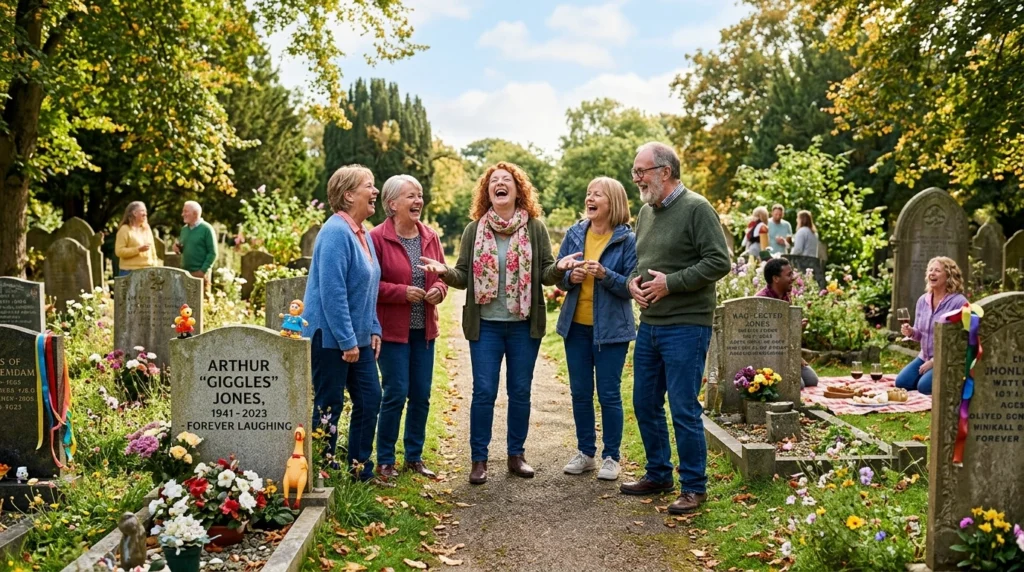
What Does “Graveyard” Symbolize?
A graveyard often symbolizes:
- Death
- Silence
- Memory
- The past
- Loss
- Rest
- Forgotten things
Writers use graveyard imagery to express emotions in a stronger and more creative way.
Why Do Writers Use a Metaphor for Graveyard?
Metaphors help readers imagine feelings instead of just reading facts.
Instead of saying “sad place” or “dead place,” a metaphor creates emotion and visual meaning.
These metaphors are common in:
- Poetry
- Horror stories
- Emotional writing
- Literature
- Motivational speeches
- Gothic fiction
Best Metaphor for Graveyard
1. A City of Silence
This is one of the most powerful metaphors for a graveyard.
Example
- The graveyard stood like a city of silence beneath the moon.
🎯 Meaning: Complete quietness and stillness.
2. A Garden of Memories
This metaphor gives a softer and more emotional feeling.
Example
- The old cemetery felt like a garden of memories.
🎯 Meaning: A place where people remember loved ones.
3. The Waiting Room of Eternity
A dramatic and poetic metaphor.
Example
- He described the graveyard as the waiting room of eternity.
🎯 Meaning: A place connected to eternal rest.
4. A Forest of Stone
This metaphor focuses on rows of gravestones.
Example
- The cemetery looked like a forest of stone in the fog.
🎯 Meaning: Large numbers of gravestones standing together.
5. The Land of Forgotten Voices
A deep emotional metaphor.
Example
- The abandoned graveyard became the land of forgotten voices.
🎯 Meaning: People from the past are gone but remembered faintly.
Graveyard Metaphors and Their Meanings
| Metaphor | Meaning |
|---|---|
| City of silence | Extreme quietness |
| Garden of memories | Emotional remembrance |
| Waiting room of eternity | Eternal rest |
| Forest of stone | Many gravestones together |
| Land of forgotten voices | Lost lives and memories |
Real-Life Examples
Dialogue 1
Writer: The cemetery felt cold and empty.
Editor: Try calling it a city of silence.
🎯 Lesson: Metaphors create stronger imagery.
Dialogue 2
Child: Why do people visit graveyards?
Parent: Because they are gardens of memories.
🎯 Lesson: Graveyards can symbolize love and remembrance.
Dialogue 3
Poet: The gravestones stood everywhere.
Friend: Sounds like a forest of stone.
🎯 Lesson: Metaphors make descriptions more visual.
Dialogue 4
Student: I want a poetic line about death.
Teacher: Use “waiting room of eternity.”
🎯 Lesson: Graveyard metaphors add emotional depth.
Dialogue 5
Traveler: The old cemetery felt haunting.
Guide: Many call it the land of forgotten voices.
🎯 Lesson: Metaphors can create mystery and emotion.
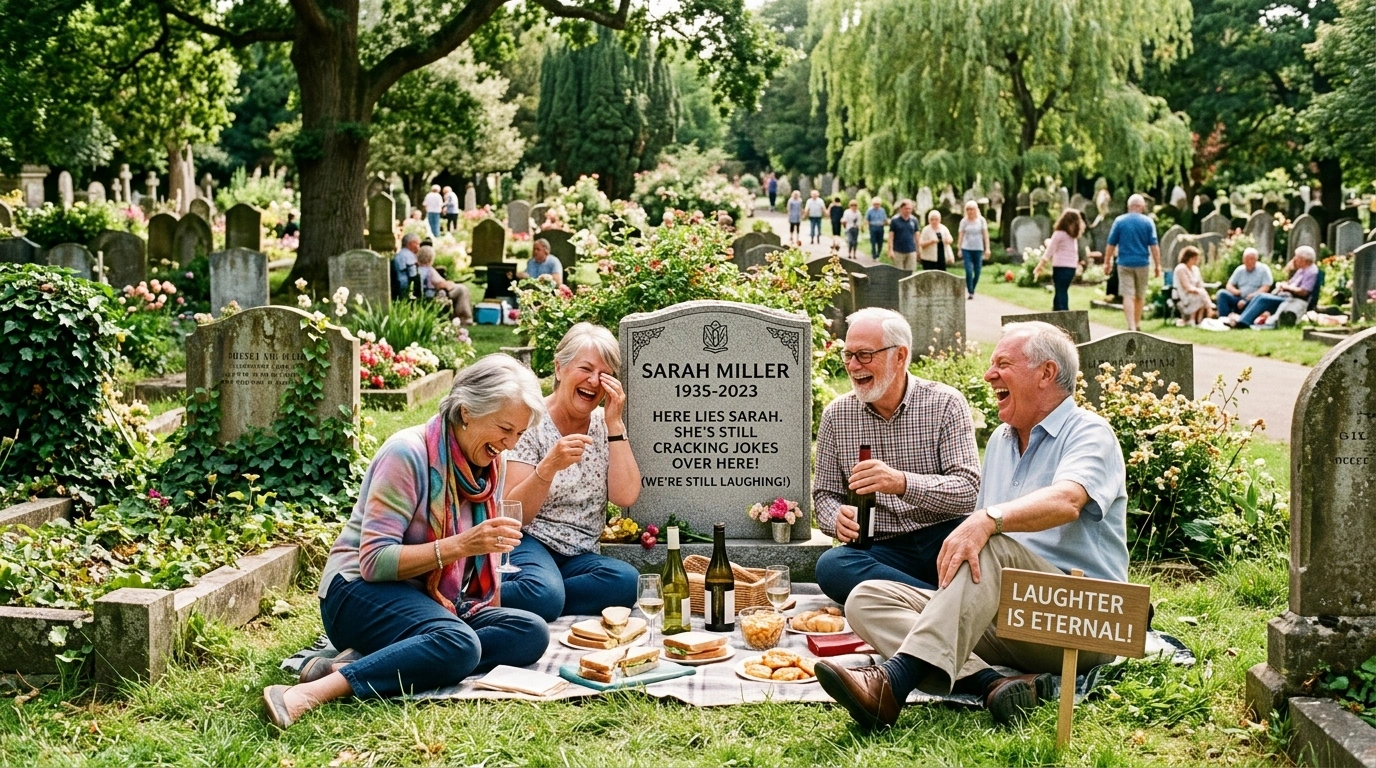
When to Use Graveyard Metaphors
Use these metaphors in:
- Poetry
- Horror stories
- Emotional essays
- Novels
- Gothic writing
- Speeches
- Creative storytelling
Example Sentences
- The battlefield became a city of silence after the war.
- Her memories rested in a garden of memories.
- The old cemetery looked like a forest of stone.
Common Mistakes Learners Make
- Using too many dark metaphors together
This can confuse readers. - Making metaphors overly dramatic
Keep imagery clear and natural. - Using graveyard metaphors in inappropriate situations
Serious metaphors may not fit casual writing. - Confusing metaphor with literal meaning
Graveyard metaphors symbolize emotions or ideas.
These are common English usage mistakes among beginner writers.
Quick Memory Trick
Think about this rule:
👉 Graveyard metaphors usually connect to:
- Silence
- Memory
- Rest
- Loss
- Time
Easy phrase to remember:
✅ “A graveyard is where silence tells stories.”
This helps learners understand the emotional meaning behind graveyard metaphors.