

Metaphor for Dirty as Muddy Water
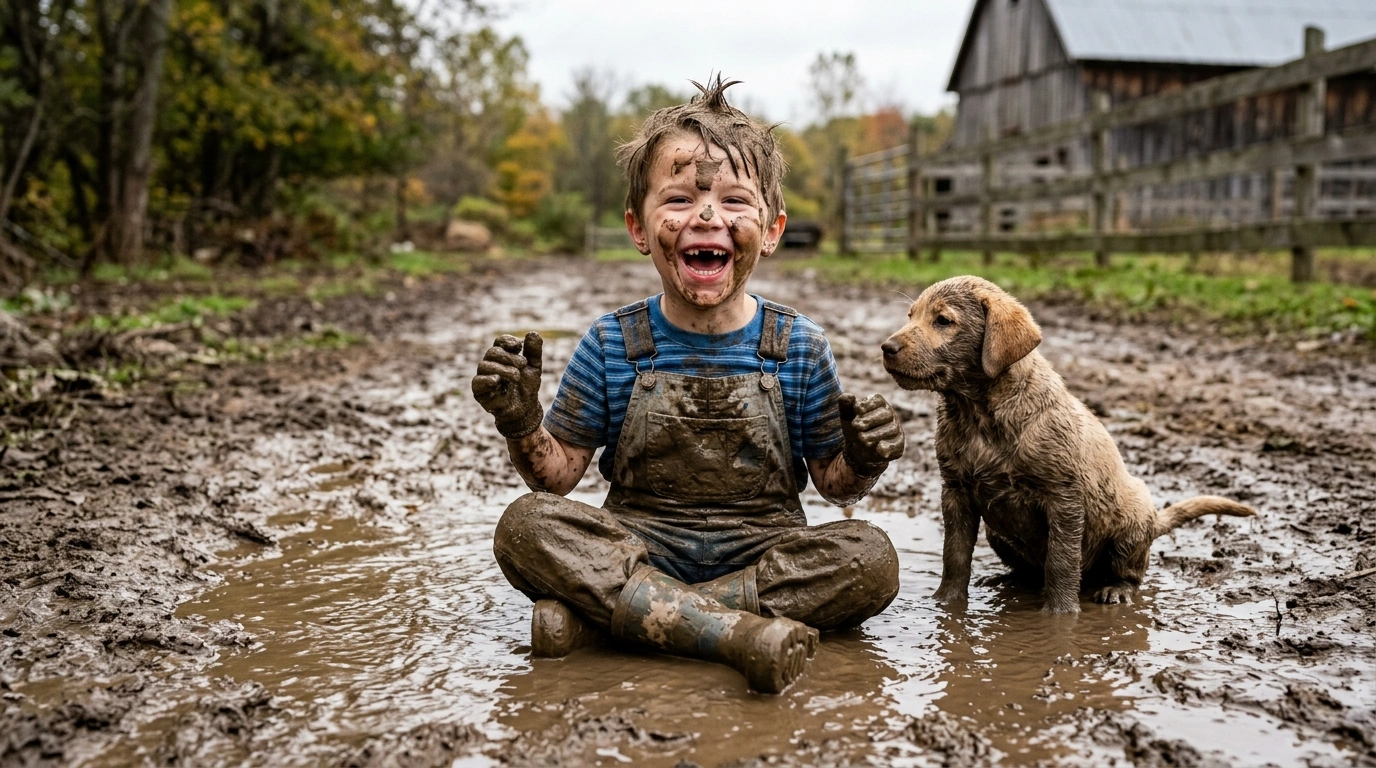
One common metaphor for dirty is muddy water. When clean water mixes with soil, it becomes unclear and unpleasant.
In the same way:
- Dirty situations lose clarity
- Things become confusing or unpleasant
- Cleanliness or purity is lost
This metaphor for dirty shows how purity can be affected by contamination, whether physical or symbolic.
Metaphor for Dirty as a Clogged Drain
Another strong metaphor for dirty is a clogged drain. A drain filled with waste stops working properly.
Similarly:
- Dirty environments become blocked and unhealthy
- Negative thoughts or actions create problems
- Progress is slowed down
This metaphor for dirty represents blockage, mess, and dysfunction.
Metaphor for Dirty as a Dusty Room
A very relatable metaphor for dirty is a dust-covered room. When a room is not cleaned, dust builds up over time.
In life:
- Neglect leads to mess
- Lack of care creates disorder
- Things lose freshness and cleanliness
This metaphor for dirty shows how ignoring something leads to impurity or disorder.
Metaphor for Dirty as a Stained Cloth
Another simple metaphor for dirty is a stained cloth. Once a cloth is stained, it loses its clean appearance.
In the same way:
- Actions can leave marks on reputation
- Mistakes can affect perception
- Clean image becomes damaged
This metaphor for dirty highlights how impurity can leave lasting effects.
Metaphor for Dirty as a Dark Cloud
A powerful metaphor for dirty is a dark cloud in the sky. Dark clouds often represent pollution, gloom, or bad weather.
Similarly:
- Dirty situations feel heavy or negative
- Emotional impurity creates discomfort
- Positivity is blocked
This metaphor for dirty shows emotional or symbolic darkness.
Metaphor for Dirty in Emotional Meaning
A metaphor for dirty is not always physical. It can also describe emotions or behavior.
For example:
- Guilt can feel like a stain on the mind
- Negative thoughts can feel like mental clutter
- Bad intentions can feel like emotional dirt
This metaphor for dirty helps explain inner feelings in a simple way.
Metaphor for Dirty in Real-Life Examples
- A messy room is like a cluttered storm of disorder
- A guilty mind is like a stained mirror that cannot reflect clearly
- A polluted river is like a dirty wound in nature
- A bad reputation is like a spot that never fades easily
- An unclean place is like a fog that hides clarity
Each metaphor for dirty helps us see impurity in a visual and emotional way.
Metaphor for Dirty in Behavior and Character
A metaphor for dirty can also describe behavior.
It may represent:
- dishonesty
- corruption
- harmful actions
- negative intentions
In this sense, “dirty” does not mean physical mess, but moral or emotional impurity.
Metaphor for Dirty in Life Understanding
A metaphor for dirty helps us understand that not everything is clean or perfect in life. Sometimes situations become complicated or unpleasant, just like dirty water or a dusty room.
It teaches us:
- cleanliness needs effort
- negative actions leave impact
- clarity is important in life