

What is the Kintsugi Metaphor for Life?
The Kintsugi metaphor for life means comparing human life to the Japanese art of repairing broken pottery with gold.
In simple words:
- Broken parts of life are not hidden
- They are repaired and made more beautiful
- Pain becomes part of strength
So, life is not about being perfect. It is about healing and becoming stronger after breaking.
Meaning of Kintsugi in Life
The Kintsugi metaphor shows that:
- Brokenness is not shameful
- Pain can become strength
- Scars tell a story
- Healing makes us stronger
- Imperfection is beautiful
Instead of hiding wounds, we learn to accept and grow from them.
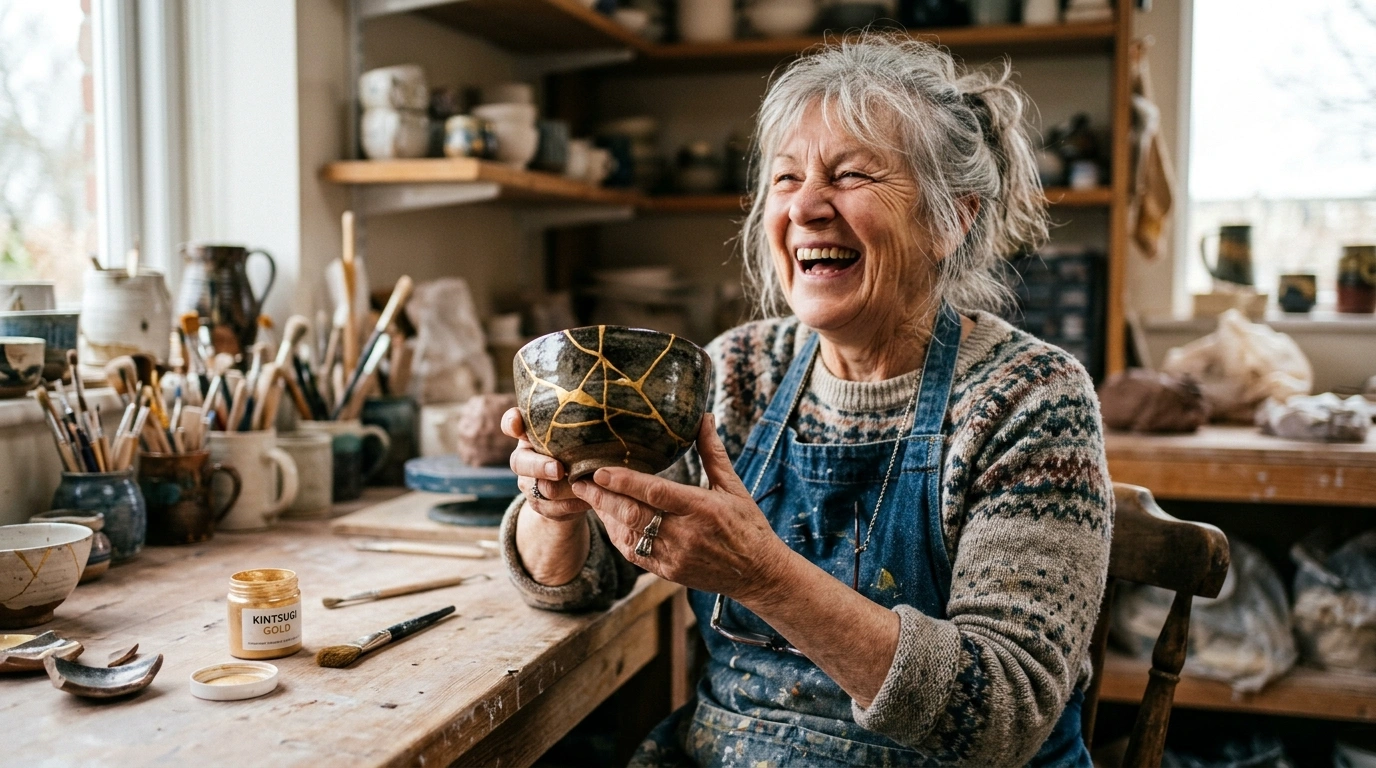
Kintsugi Metaphor for Life – Simple Examples
- “Her heartbreak became gold lines in her life story.”
🎯 Lesson: Pain can become strength - “He rebuilt his life like Kintsugi pottery.”
🎯 Lesson: Healing after failure - “Their struggles added beauty to their character.”
🎯 Lesson: Difficulties build personality - “My past brokenness made me stronger.”
🎯 Lesson: Growth through pain - “Life repairs us with time and experience.”
🎯 Lesson: Healing takes time
What Kintsugi Teaches Us About Life
The Kintsugi metaphor for life teaches:
- Everyone gets broken at some point
- Healing is part of life
- Scars are not weaknesses
- Imperfection is natural
- Growth comes from pain
Life becomes more meaningful when we accept our broken parts.
Real-Life Situations of Kintsugi Life Metaphor
- After heartbreak, a person becomes emotionally stronger
- After failure, someone learns better skills
- After loss, people gain deeper understanding of life
- After mistakes, individuals grow wiser
- After struggles, character becomes stronger
Just like Kintsugi pottery, life becomes more valuable after healing.
Why Writers Use Kintsugi as a Life Metaphor
Writers use this metaphor because:
- It shows emotional healing clearly
- It transforms pain into beauty
- It connects art with human life
- It gives hope after suffering
- It explains complex emotions simply
The image of gold-filled cracks is powerful and easy to remember.
Common Mistakes Students Make
- Thinking broken means useless
- Ignoring the idea of healing
- Taking metaphor literally
- Not understanding emotional growth
- Believing perfection is required in life
Kintsugi teaches the opposite: broken can become beautiful.
Quick Memory Trick
👉 Kintsugi = Broken + Gold = Stronger Beauty
Now remember:
- Broken → life challenges
- Gold → healing and strength
- Pottery → human life
So: Life becomes more valuable after healing.