
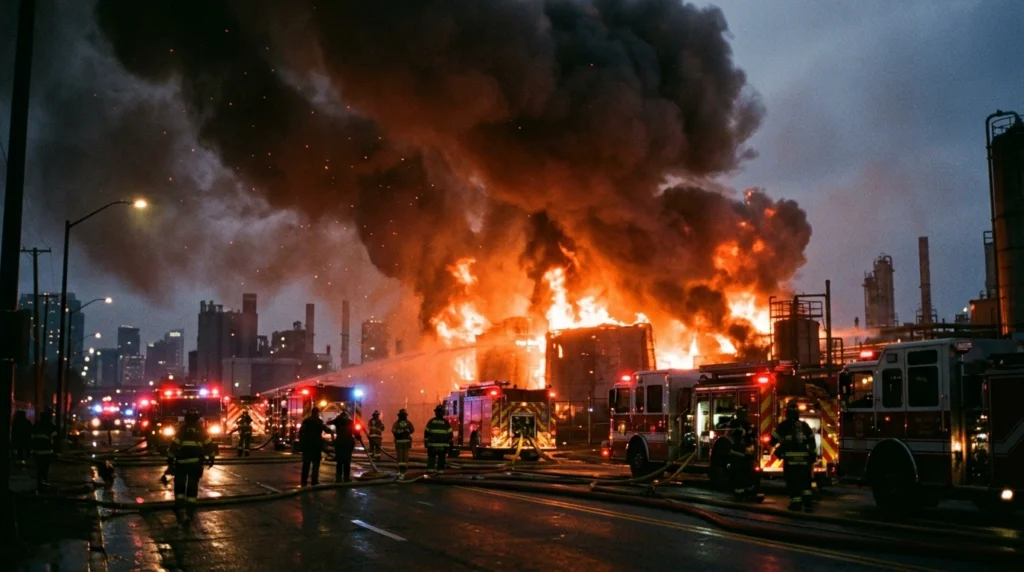
What Does Fire Mean in a Metaphor?
In English grammar and verb forms of sell-type learning (figurative language use), fire is often used as a symbol, not a real object.
The fire metaphor for disaster means:
- fast destruction
- uncontrollable situation
- spreading damage
- emotional or physical chaos
Simple explanation:
Fire = something that spreads quickly and destroys everything in its path.
Real-life examples:
- “The rumor spread like fire.”
- “The market crash burned through savings.”
These do not mean real fire. They show how fast and damaging something becomes.
Why Fire Is Used as a Disaster Symbol
Fire is powerful, fast, and hard to control. That is why English uses it to explain disasters.
In English grammar usage mistakes, learners sometimes think fire always means flames. But in English usage mistakes, fire is often symbolic.
Fire represents:
- loss of control
- sudden damage
- emotional intensity
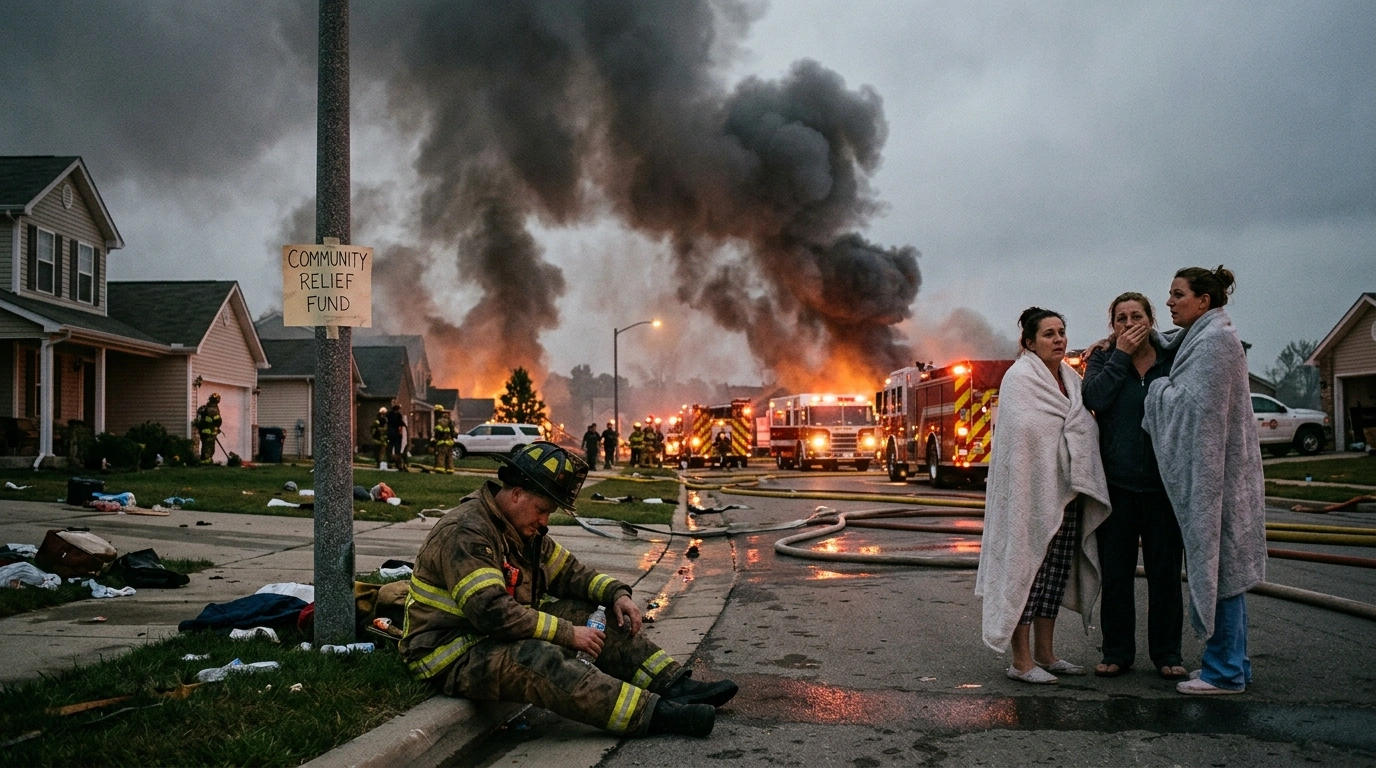
Fire Metaphor for Disaster vs Literal Fire
| Feature | Fire Metaphor for Disaster | Real Fire |
|---|---|---|
| Meaning | Symbolic destruction | Physical burning |
| Usage | Figurative language | Real event |
| Example | “His anger burned the room” | “The house burned” |
| Grammar role | Figurative expression | Literal noun/verb |
Real-Life Examples (Simple Dialogues)
1. Situation at school
A: “Why is everyone stressed?”
B: “The exam results caused chaos like fire.”
🎯 Lesson: Fire shows fast emotional panic.
2. Business problem
A: “What happened to the company?”
B: “The mistake spread like fire in the system.”
🎯 Lesson: Fire shows rapid damage in systems.
3. News situation
A: “Is the rumor true?”
B: “No, but it spread like fire online.”
🎯 Lesson: Fire = fast spread of information.
4. Family argument
A: “Why is everyone angry?”
B: “The argument burned through the whole house.”
🎯 Lesson: Fire shows emotional destruction.
5. Money loss
A: “Where did the savings go?”
B: “The bad investment burned all the money.”
🎯 Lesson: Fire shows total loss.
When to Use Fire Metaphor for Disaster Correctly
Use it in:
- storytelling
- news writing
- emotional descriptions
- business communication
- daily English speaking
It is useful when you want to show:
- speed
- danger
- destruction
- strong emotion
Common Mistakes Learners Make
- ❌ Thinking fire always means real flames
✔ Correct: It can be symbolic - ❌ Using fire in formal reports without context
✔ Correct: Use in descriptive or creative writing - ❌ Mixing literal and metaphor meaning
✔ Correct: Understand situation first - ❌ Overusing fire in every sentence
✔ Correct: Use only when intensity is needed
These mistakes happen because ESL learners directly translate from their native language instead of understanding English grammar meaning shifts.
Quick Memory Trick
Remember this simple rule:
👉 Fire = Fast + Force + Failure
If something spreads fast and causes damage, you can imagine it like fire.
This makes the fire metaphor for disaster easy to remember for beginners.