

What Does “Blank Days” Mean as a Metaphor?
The phrase “blank days” metaphorically represents periods of emotional emptiness, uncertainty, or lack of direction.
For youth, it often describes:
- feeling lost
- emotional numbness
- confusion about the future
- repetitive routines
- searching for identity
The word “blank” suggests something unfinished or unwritten, while “days” represent time passing.
Simple Meaning
- “Blank days” = periods when life feels emotionally empty or unclear.
Why “Blank Days” Connects to Youth
Youth is a time of major change. Young people often face:
- pressure about the future
- identity struggles
- emotional ups and downs
- fear of failure
- loneliness or confusion
Because of this, many teenagers and young adults experience moments where life feels paused or uncertain.
Example
- “His youth passed in a series of blank days.”
🎯 Meaning: He spent time feeling emotionally disconnected or directionless.
Emotional Interpretations of Blank Days
The metaphor can carry different emotional meanings depending on the context.
| Meaning | Explanation |
|---|---|
| Emptiness | Feeling emotionally numb |
| Uncertainty | Not knowing where life is going |
| Waiting | Feeling stuck between stages of life |
| Lost identity | Struggling to understand oneself |
| Quiet sadness | Hidden emotional pain |
| Emotional exhaustion | Feeling mentally drained |
This flexibility makes the metaphor powerful in creative writing.
Poetic Meanings of Blank Days
Poets often use “blank days” to describe silent emotional struggles during youth.
Example 1
- “Her teenage years drifted through blank days and sleepless nights.”
🎯 Meaning: Her youth felt emotionally empty and restless.
Example 2
- “The blank days of youth covered him like winter fog.”
🎯 Meaning: Confusion and emotional uncertainty surrounded him.
Example 3
- “They filled their blank days with loud music and borrowed dreams.”
🎯 Meaning: Young people tried to escape emotional emptiness.
Blank Days as a Symbol of Growth
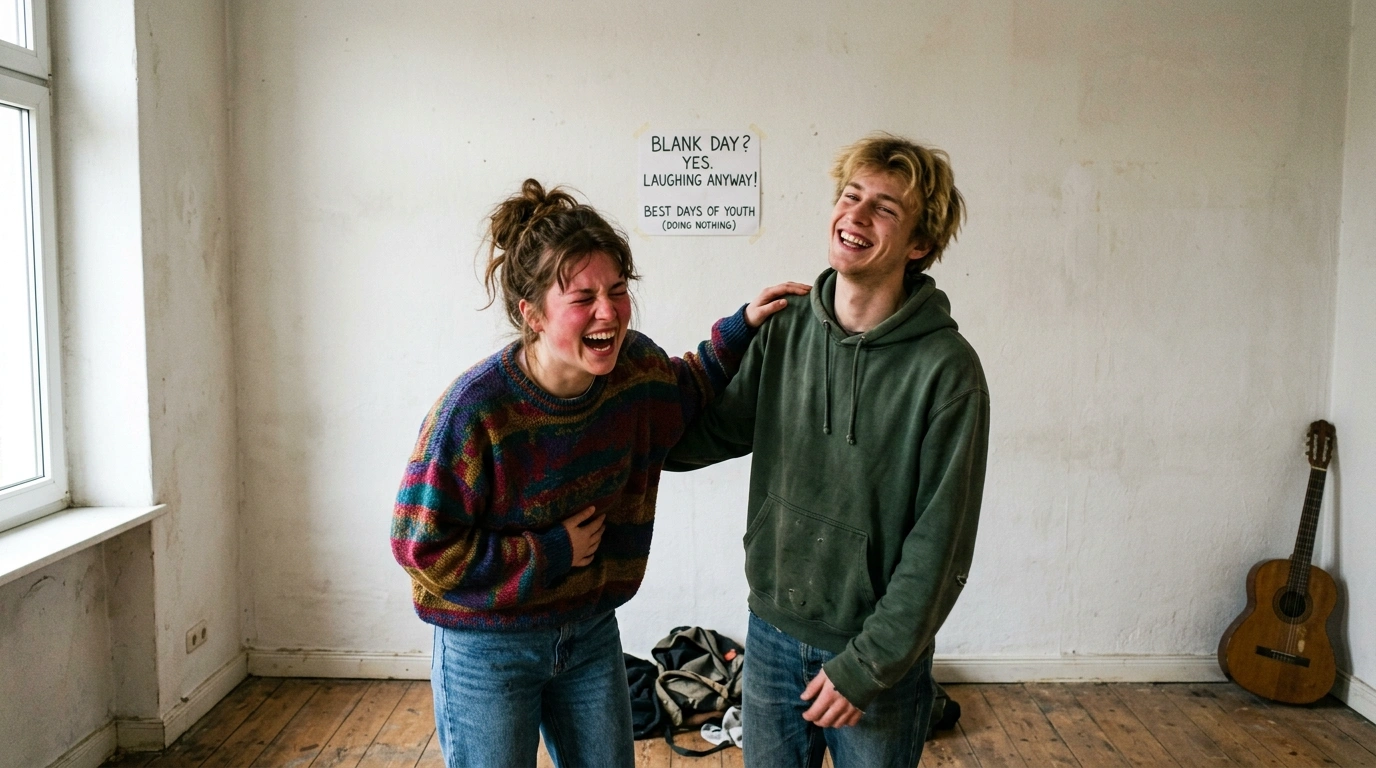
Interestingly, blank days are not always negative.
Sometimes they symbolize:
- personal growth
- self-discovery
- emotional healing
- preparation for change
Just like a blank page can become a story, blank periods in youth can become moments of transformation.
Example
- “Those blank days slowly became the foundation of who she would become.”
🎯 Meaning: Difficult or empty times helped shape her future identity.
Creative Metaphors Similar to Blank Days
Here are related metaphors often used for youth and emotional uncertainty.
| Metaphor | Meaning |
|---|---|
| Empty hallway | Loneliness and silence |
| Unwritten pages | Unknown future |
| Faded photographs | Lost memories or identity |
| Winter without snow | Emotional coldness |
| A paused clock | Feeling stuck in life |
| Silent streets | Isolation |
| Gray mornings | Emotional dullness |
These metaphors work well in poetry and reflective writing.
Using the Metaphor in Writing
The phrase “blank days” works especially well in:
- poetry
- coming-of-age stories
- emotional essays
- song lyrics
- reflective journaling
Example in Fiction
- “College life became a blur of blank days and unfinished thoughts.”
This sentence creates a stronger emotional feeling than simply saying:
- “College life felt boring.”
Common Mistakes Writers Make
Making the Metaphor Too Vague
Add emotional details around the phrase.
❌ “He had blank days.”
✅ “He wandered through blank days filled with silence and unanswered questions.”
Overusing Sadness
Blank days do not always mean depression.
They can also symbolize:
- transition
- reflection
- emotional growth
Using Too Many Metaphors Together
Keep the imagery focused.
✅ “Her youth felt like a notebook filled with blank days.”
This sounds emotional but clear.
Quick Memory Trick
To understand the blank days metaphor for youth, remember this:
🧠 Blank = unwritten
🧠 Youth = becoming
Together, they symbolize:
- uncertainty
- emotional searching
- unfinished identity
- hidden growth
Think of a blank page waiting for a story to begin.