
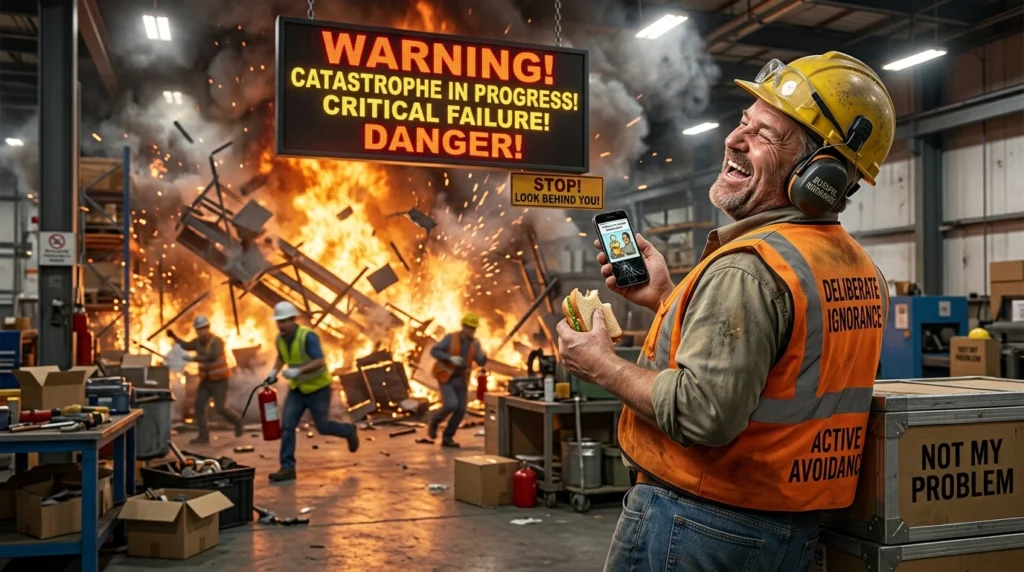
What is a Metaphor for Deliberate Ignorance?
A metaphor for deliberate ignorance means using symbolic language to show when someone intentionally avoids truth or reality.
In simple words:
It is when a person knows something is true but behaves like they do not know.
This can be shown through metaphors like:
- closing eyes to truth
- building walls in the mind
- turning a blind eye
- wearing a mask of silence
These are not literal actions, but they clearly show hidden avoidance.
Common Metaphors for Deliberate Ignorance
- Turning a blind eye to reality
- Closing the door of truth
- Wearing a blindfold of comfort
- Living in a bubble of denial
- Building walls around the truth
- Covering ears to avoid facts
- Walking away from reality
Each metaphor for deliberate ignorance shows the idea of ignoring something on purpose.
Meaning Behind These Metaphors
Turning a Blind Eye
This means a person sees something wrong but chooses to ignore it.
Meaning:
Ignoring truth even when it is clearly visible.
Living in a Bubble
This shows a person staying away from reality.
Meaning:
They avoid facts and stay in their comfort zone.
Building Walls
This shows mental or emotional blocking.
Meaning:
A person refuses to accept truth or opinions.
Wearing a Blindfold
This shows choosing not to see reality.
Meaning:
Deliberate avoidance of facts or problems.

Metaphor for Deliberate Ignorance – Real-Life Examples
- “He turned a blind eye to the mistake in the report.”
🎯 Lesson: Ignoring known problems - “She lives in a bubble and refuses to accept reality.”
🎯 Lesson: Avoiding truth - “They built walls around the issue instead of solving it.”
🎯 Lesson: Avoidance of responsibility - “The manager closed his eyes to the complaints.”
🎯 Lesson: Ignoring feedback - “He wears a blindfold when it comes to criticism.”
🎯 Lesson: Rejecting truth intentionally
Where Deliberate Ignorance Happens
This behavior can appear in many areas:
- relationships
- workplace issues
- social problems
- personal decisions
- political situations
People often avoid truth because it feels uncomfortable or difficult to accept.
Why Writers Use These Metaphors
Writers use metaphors for deliberate ignorance because they:
- explain hidden behavior simply
- show emotional avoidance clearly
- make abstract ideas easy to understand
- create strong mental images
- help readers relate to real life
Instead of saying “someone is ignoring truth,” metaphors make it more visual and powerful.
Common Mistakes Students Make
- Thinking ignorance is always accidental
- Not understanding “deliberate” means intentional
- Taking metaphors literally
- Confusing avoidance with lack of knowledge
- Ignoring emotional meaning behind phrases
Remember: deliberate ignorance is a choice, not a mistake.
Quick Memory Trick
👉 Think like this:
Deliberate ignorance = Choosing not to see truth
Now remember:
- Blind eye → ignore reality
- Bubble → avoid outside world
- Walls → block truth
- Blindfold → refuse to see
These images help you remember easily.