
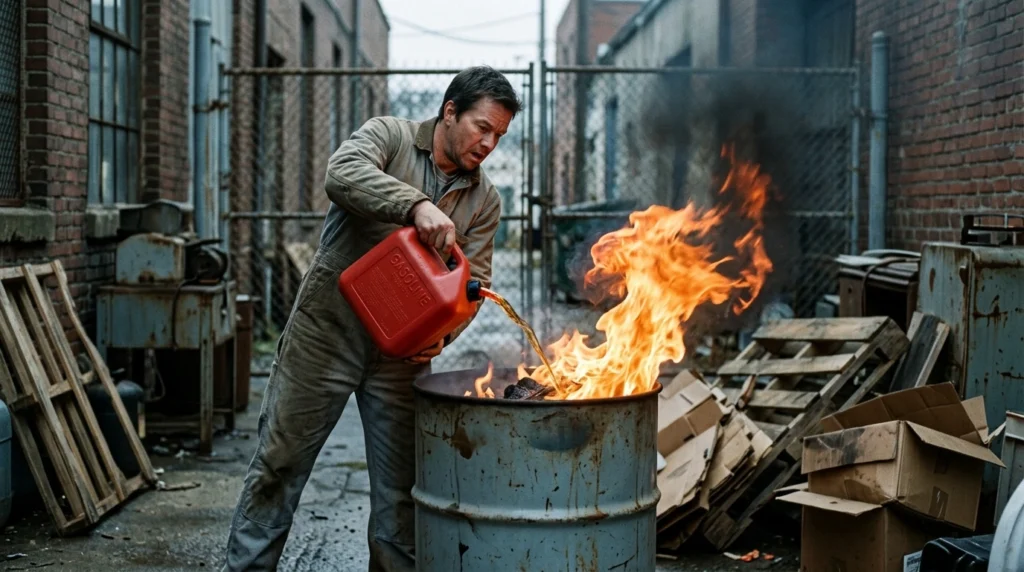
What Does “Metaphor for Making Things Worse” Mean?
A metaphor for making things worse means a phrase or expression that shows a situation becoming more difficult, complicated, or worse than before.
In simple words, it is when language compares a bad situation to something even worse to explain it clearly.
For example:
- “He added fuel to the fire” means he made the problem worse.
- This is a common metaphor for making things worse in English.
It helps learners understand emotional or difficult situations in a simple way.
Is “Metaphor for Making Things Worse” a Real Phrase?
YES and NO.
- YES: It is used as a descriptive idea in English learning.
- NO: It is not a fixed grammar phrase like idioms or phrasal verbs.
Many ESL learners think it is a single expression, but it is actually a concept used to explain meaning.
This is a common English usage mistake when learners treat it like a fixed rule instead of understanding the idea behind it.
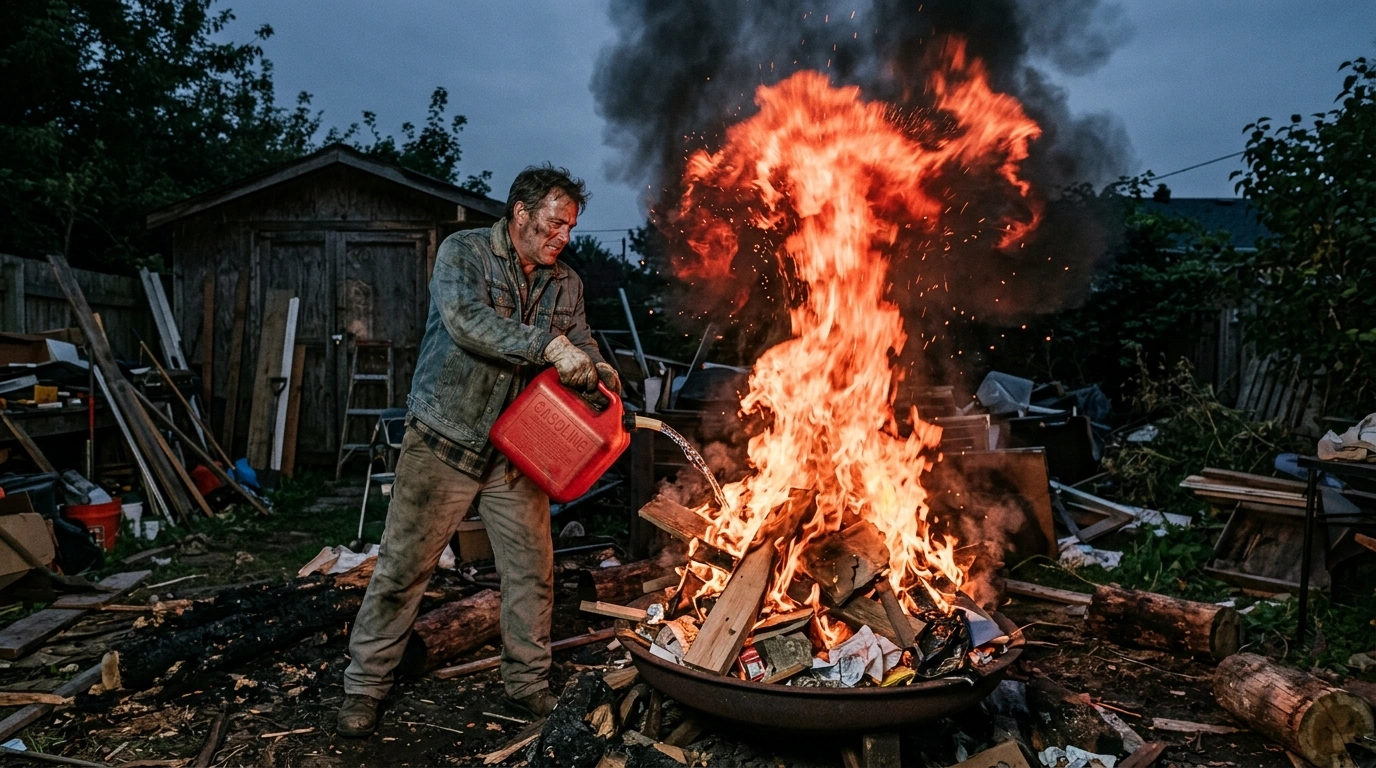
Metaphor for Making Things Worse – Key Differences
| Feature | Metaphor for Making Things Worse | Literal Explanation |
|---|---|---|
| Meaning | Shows a bad situation becoming worse | Direct explanation |
| Usage | Figurative language | Plain sentence |
| Example | “Adding fuel to the fire” | “He made it worse” |
| Grammar role | Figurative expression | Normal sentence |
Real-Life Examples
1. A: I tried to fix the argument.
B: But you made it worse by shouting.
🎯 Lesson: Small actions can become a metaphor for making things worse.
2. A: He gave advice, but it created more confusion.
B: Yes, it was like pouring oil on fire.
🎯 Lesson: Bad advice can act as a metaphor for making things worse.
3. A: The team tried to fix the error.
B: But it only got worse.
🎯 Lesson: Wrong fixes often become a metaphor for making things worse.
4. A: She tried to calm him down.
B: But it made him angrier.
🎯 Lesson: Wrong timing can be a metaphor for making things worse.
5. A: The update broke the system.
B: Yes, it worsened everything.
🎯 Lesson: Technical mistakes can show a metaphor for making things worse.
6. A: I explained again, but it became more confusing.
🎯 Lesson: Over-explaining can be a metaphor for making things worse.
When to Use “Metaphor for Making Things Worse” Correctly
Use this idea in:
- Daily conversation
- Story writing
- Business communication
- Problem explanation
- Emotional storytelling
It is useful when you want to describe a situation where action causes more damage instead of solving it.
Common Mistakes Learners Make
- Thinking it is a fixed grammar rule
→ It is actually a concept in English grammar - Translating word by word
→ English verb forms of sell style thinking does not apply here - Mixing it with literal meaning
→ It is always figurative language - Confusing it with direct explanation
→ It is a creative expression, not a factual sentence
This confusion is common among ESL learners.
Quick Memory Trick
Think like this:
👉 “If I try to fix it but it gets worse… it is a metaphor for making things worse.”
Simple rule:
Fix attempt + worse result = metaphor for making things worse