
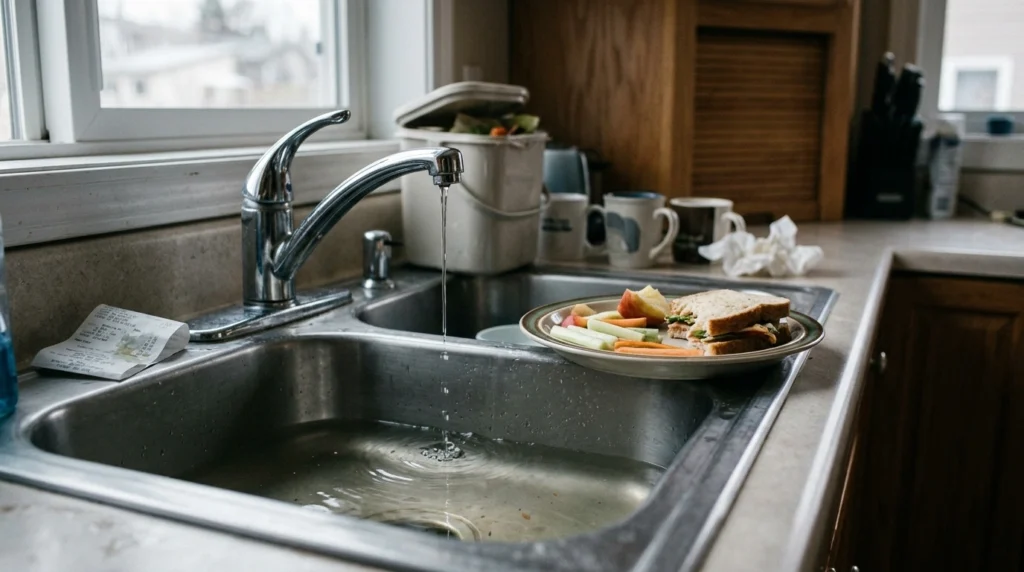
What Does “Waste” Mean?
“Waste” means to use something carelessly or without need.
In English grammar, waste can be a verb or a noun. It often refers to losing something useful like time, food, energy, or money.
Simple meaning:
- To use something in a useless way
- To lose value by not using something properly
Examples:
- Don’t waste water.
- He wasted his time playing games all day.
- Throwing food away is a waste.
A metaphor for waste helps us understand this idea in a more visual way.
Is “Waste” Only About Trash?
No, waste is not only about garbage.
Many ESL learners think waste only means trash, but that is not correct. In English, it is also used for:
- Time waste
- Money waste
- Energy waste
- Opportunity waste
So, waste is more about losing value than just throwing things away.
Metaphor for Waste – Key Understanding
A metaphor for waste compares waste to something that shows loss or uselessness.
Common metaphor ideas:
- Waste is a leaking bucket
- Waste is burning money
- Waste is an empty road with no destination
- Waste is a broken clock that gives no time
These images help learners understand how waste behaves in real life.
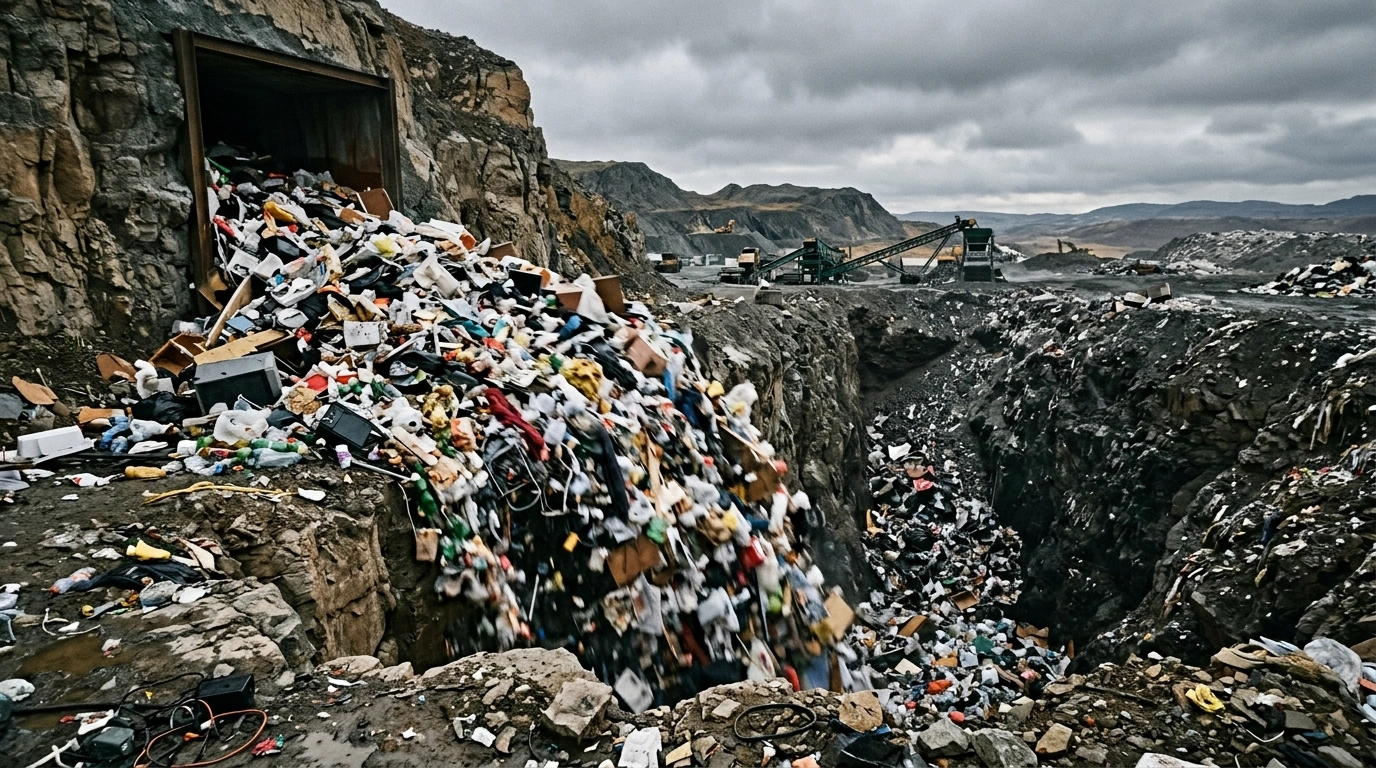
Waste vs Misuse – Simple Difference
| Feature | Waste | Misuse |
|---|---|---|
| Meaning | Using something without value | Using something wrongly |
| Result | Loss or nothing gained | Harm or wrong outcome |
| Example | Wasting food | Misusing medicine |
A metaphor for waste often focuses on loss, not wrong action.
Real-Life Examples (Very Important)
1. Student Example
A student ignores studies and watches TV all day.
Teacher: “You are wasting your time.”
🎯 Lesson: Time is valuable, don’t ignore it.
2. Food Example
Throwing half of your lunch in the bin.
Parent: “This is waste of food.”
🎯 Lesson: Food should be respected.
3. Money Example
Buying things you don’t need.
Friend: “That’s just wasting money.”
🎯 Lesson: Spend wisely.
4. Water Example
Leaving the tap open.
Teacher: “Don’t waste water like this.”
🎯 Lesson: Natural resources are limited.
5. Energy Example
Working on useless tasks all day.
Boss: “You are wasting energy.”
🎯 Lesson: Focus matters.
When to Use “Waste” Correctly
Use waste in these situations:
- Talking about time management
- Discussing money habits
- Environmental protection
- Daily conversations
- School or business English
A good metaphor for waste helps explain these situations more clearly.
Common Mistakes Learners Make
- Thinking waste only means garbage
✔ Correct: waste also means losing time or value - Saying “I waste food yesterday”
✔ Correct: I wasted food yesterday - Confusing waste with “throw”
✔ Waste = loss of value
✔ Throw = physical action - Ignoring verb forms of sell-like patterns in grammar confusion
✔ Waste follows regular past tense rules (wasted)
These mistakes often come from weak understanding of English grammar verb forms.
Quick Memory Trick (SEO BOOST SECTION)
Remember this simple rule:
👉 Waste = What disappears without benefit
Or think like this:
💡 “If it does not help you, it is waste.”
This makes the metaphor for waste very easy to remember.