
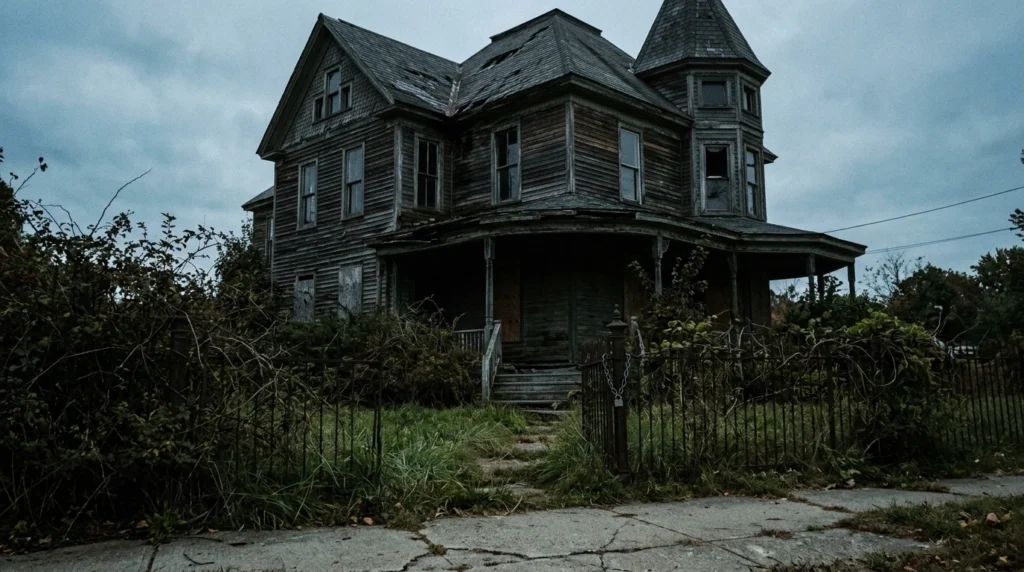
What is a Metaphor for Scary House?
A metaphor for scary house is a way of describing a frightening house by comparing it to something else.
It does NOT use “like” or “as.” Instead, it says the house is something scary.
Simple idea:
- The house = something dangerous, dark, or alive
Examples:
- The house is a sleeping monster
- The building is a grave of silence
- The old house is a black shadow on the hill
These are creative expressions used in English writing, storytelling, and literature.
Why Writers Use Metaphor for Scary House
Writers use a metaphor for scary house to:
- Create fear and suspense
- Make stories more visual
- Help readers imagine the scene
- Add emotional impact
Instead of saying “the house is scary,” writers show fear through imagination.
This is a common tool in English grammar and creative writing.
Common Metaphor for Scary House Examples
Here are simple and powerful examples:
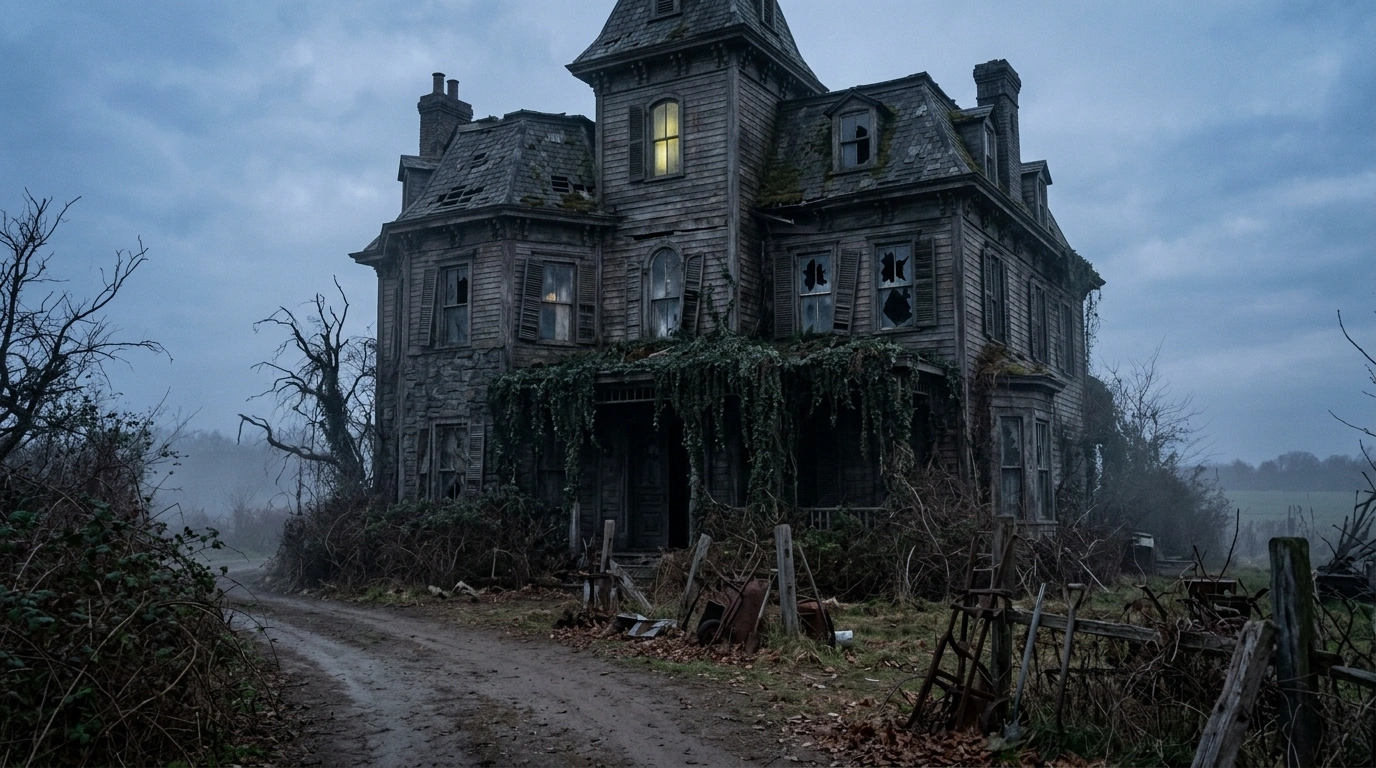
- The house is a haunted mouth swallowing light
- The house is a sleeping beast in the dark
- The windows are empty eyes watching you
- The hallway is a tunnel of whispers
- The house is a forgotten ghost in time
Each metaphor for scary house builds fear without directly saying “scary.”
Real-Life Usage Examples
1.
“I walked past the house; it was a sleeping monster waiting to wake.”
🎯 Lesson: Houses can be described like living things.
2.
“The old mansion was a grave of silence.”
🎯 Lesson: Silence can create fear.
3.
“The windows stared like empty eyes.”
🎯 Lesson: Objects can represent emotions.
4.
“That house is a black shadow on the hill.”
🎯 Lesson: Darkness is often used in scary imagery.
5.
“The building felt like it was breathing.”
🎯 Lesson: Human actions can describe fear.
6.
“The hallway was a tunnel of lost voices.”
🎯 Lesson: Sound imagery builds tension.
7.
“The house stood like a forgotten ghost.”
🎯 Lesson: Time and memory create emotional fear.
When to Use Metaphor for Scary House Correctly
Use it in:
- Story writing ✍️
- Horror descriptions 👻
- Creative essays
- Poetry
- English learning practice
It is common in English language learning and literature analysis.
Common Mistakes Learners Make
- Using “like” or “as” (that becomes simile, not metaphor)
- Mixing literal meaning with imagination
- Overloading too many metaphors in one sentence
- Using simple words without emotional impact
These mistakes happen because learners confuse verb forms, grammar rules, and figurative language.
Quick Memory Trick
Remember this:
👉 “A metaphor is a HOUSE that becomes something else.”
If the house turns into:
- monster
- ghost
- shadow
- beast
Then it is a metaphor for scary house.